The eight factors that determine whether a roof remodel succeeds or fails are: budget planning, material selection, permits, contractor vetting, weather timing, inspection scheduling, environmental impact, and insurance coverage. Miss any one of them, and a $12,000 project can easily balloon to $20,000 or more.
With 70+ years of roofing experience in Santa Fe, we've seen every mistake in the book. Here's exactly what to get right before your project starts.
If your project involves an active leak or a flat-roof issue, start with a flat roof repair inspection before committing to replacement. For a broader view of local options, see our Santa Fe roofing services.
1. Cost Planning: How to Remodel Roofing on a Budget
Before starting any roofing project, establish a realistic budget that accounts for materials, labor, permits, and a contingency fund for unexpected costs. A typical roof replacement in Santa Fe ranges from $8,000 to $25,000 depending on size, materials, and complexity.
Get multiple written estimates from licensed contractors. Be wary of quotes that seem unusually low — they often indicate corners being cut on materials or labor quality. The cheapest option upfront can become the most expensive in the long run.
2. Choosing the Right Roofing Materials
Your choice of roofing material affects durability, energy efficiency, aesthetics, and long-term cost. Consider your local climate, home style, and budget when selecting materials:
- Asphalt shingles: Most popular and affordable, 20–30 year lifespan. Good all-around choice for Santa Fe homes.
- Metal roofing: Excellent durability (40–70 years), highly reflective, fire-resistant. Higher upfront cost but superior long-term value.
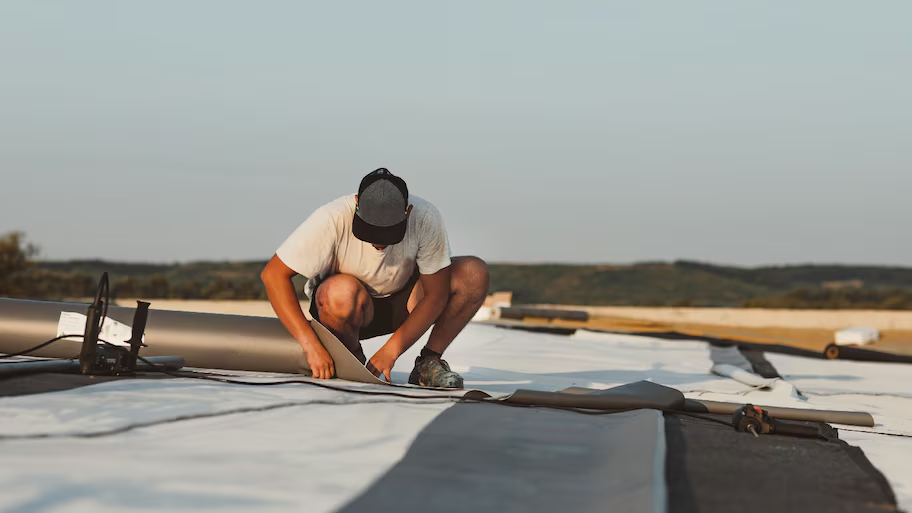
- TPO membrane: Ideal for flat and low-slope roofs. Energy-efficient with a white reflective surface. 25–30 year lifespan.
- Clay/concrete tile: Beautiful Southwest aesthetic, extremely durable (50+ years), but heavy — requires structural verification.
- Modified bitumen: Excellent for flat roofs in extreme temperatures. Multi-layer protection with proven track record.
Santa Fe Roofing Materials at a Glance
| Material | Cost per Sq Ft | Lifespan | Best For |
|---|---|---|---|
| Asphalt Shingles | $3.50–$5.50 | 20–30 years | Pitched residential roofs |
| TPO Membrane | $5.00–$7.50 | 25–30 years | Flat & low-slope roofs |
| Metal Roofing | $7.00–$12.00 | 40–70 years | Long-term value, fire-prone areas |
| Roof Coating | $1.50–$3.00 | Extends 5–10 years | Budget-friendly life extension |
| Clay/Concrete Tile | $10.00–$18.00 | 50+ years | Southwest aesthetic, durability |
Prices reflect 2024–2026 Santa Fe market rates including labor. Actual costs vary by roof size, complexity, and access. See our full cost breakdown →
3. Permits and Building Regulations
Most roofing projects in Santa Fe and surrounding counties require building permits. Failing to obtain proper permits can result in fines, complications when selling your home, or insurance claim denials.
A reputable roofing contractor handles all permit applications on your behalf and ensures the project meets local building codes. If a contractor tells you permits aren't necessary, that's a red flag.
4. Selecting the Right Contractor
Choosing the right roofing contractor is arguably the most important decision in the entire project. Here's what to look for:
- Local experience: A contractor who understands Santa Fe's climate, building codes, and common roofing challenges.
- Licensing and insurance: Verify active New Mexico contractor's license and liability insurance.
- References and reviews: Check Google reviews, BBB rating, and ask for references from recent local projects.
- Written warranty: Both manufacturer material warranties and a separate workmanship warranty.
- Communication: A good contractor explains the process, answers questions, and keeps you informed throughout.
5. Timing and Weather Considerations
In Santa Fe, the ideal roofing season is late spring through early fall — typically April through October. Avoid scheduling during monsoon season (July–September) if possible, as afternoon thunderstorms can delay work and expose your home to water damage during installation.
Extremely cold temperatures can affect the adhesion of certain materials, particularly asphalt shingles. Planning your project for ideal weather conditions ensures the best installation quality. Learn more about protecting your roof year-round in our roof maintenance tips guide.
6. Planning for Inspections and Maintenance
A new roof is a long-term investment that needs ongoing care. Before your project starts, discuss a post-installation maintenance plan with your contractor. Regular inspections (twice yearly) and proactive maintenance can extend your roof's life by 5–10 years.
Many roofing warranties require proof of regular maintenance to remain valid. Factor maintenance costs into your overall budget — typically $200–$500 per inspection visit.
7. Considering Environmental Impact
Modern homeowners increasingly consider the environmental footprint of their roofing choices. Several factors affect sustainability:
- Energy efficiency: Reflective roofing (TPO, metal, cool-roof shingles) reduces cooling costs by up to 30%.
- Recyclability: Metal roofing is 100% recyclable at end-of-life. TPO is also recyclable.
- Solar-ready: If you're considering solar panels in the future, plan your roof accordingly — some materials support solar mounting better than others.
- Insulation value: Your roof replacement is the perfect time to upgrade attic insulation for year-round energy savings.
8. Understanding Insurance Coverage
Before starting your project, contact your homeowner's insurance provider. Key questions to ask:
- Does my policy cover roof replacement due to storm damage or age?
- Will a new roof reduce my insurance premium? (Often yes — some carriers offer 10–20% discounts.)
- What documentation do I need during the project for future claims?
- Is the contractor's work covered by their liability insurance during construction?
Document your project thoroughly with before-and-after photos, contractor invoices, material receipts, and warranty paperwork. This documentation is invaluable for insurance claims, resale, and warranty service.
Ready to Start Your Roofing Project?
At Northway Roofing, we guide homeowners through every step of the roofing process — from initial consultation and material selection to professional installation and post-project maintenance. With 70+ years of experience in the Santa Fe area, we've helped thousands of families protect their biggest investment. Whether you need a new construction roof, TPO membrane installation, roof coating, or a full replacement, we're here to help.
Call us at (505) 470-7663 or fill out our online form for a free, no-obligation estimate on your roofing project.