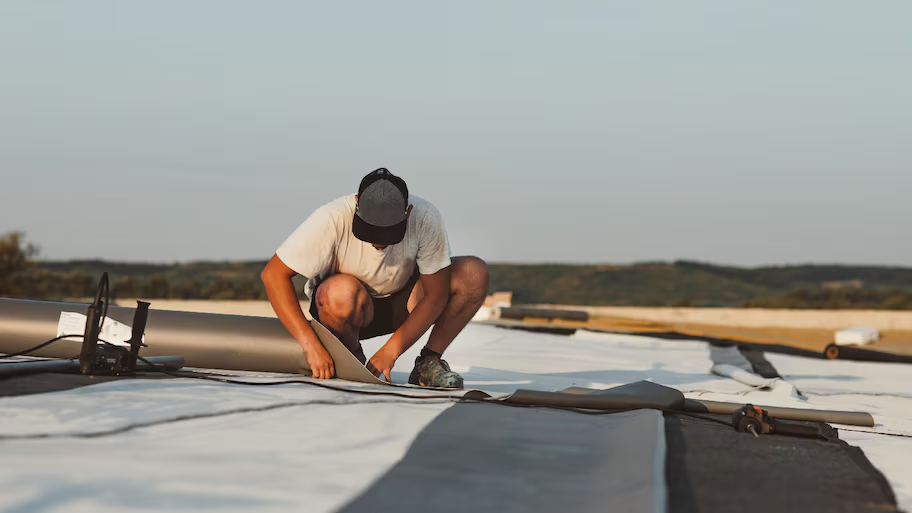
What Makes Roof Maintenance Essential for Every Homeowner?
Your roof is your home's first line of defense against the elements. It shields you from New Mexico's intense UV radiation, sudden downpours, hailstorms, and frigid winter nights. But even the best-built roof won't last forever without proper care.
Regular maintenance isn't just about aesthetics — it's about structural integrity. A small leak discovered today is a $200 repair. A leak discovered next year after it has rotted your decking and invited mold? That's a $15,000 replacement. Prevention is the smartest investment a homeowner can make.
How Weather and UV Exposure Damage Your Roof
Santa Fe's high-desert climate presents unique challenges for roofing. At 7,000 feet elevation, UV radiation is significantly more intense than at sea level, accelerating the breakdown of roofing materials. Add to that dramatic temperature swings — often 40°F between day and night — that cause materials to expand and contract, loosening fasteners and cracking sealants.
Monsoon season brings sudden, heavy rains that test drainage systems, while winter snow and ice can create ice dams that force water under shingles. Each season brings distinct threats that make regular inspection and maintenance essential.
Why Regular Roof Inspections are Critical
A professional roof inspection catches problems that are invisible from the ground. Hairline cracks in flashing, early-stage granule loss on shingles, subtle sagging in the decking, or blocked attic vents can all signal serious issues developing beneath the surface.
"An ounce of prevention is worth a pound of cure." — This old adage is especially true for roofing. Professional inspections typically cost $200–$400 and can save you tens of thousands in emergency repairs.
How Often Should You Inspect Your Roof?
We recommend professional inspections at least twice a year — once in spring (after winter damage) and once in fall (before the cold season). Additionally, schedule an inspection after any major weather event with hail, high winds, or heavy snowfall.
Homeowners can also perform visual checks from the ground monthly — look for missing shingles, sagging areas, debris accumulation, or water stains on interior ceilings.
What to Include in Your Roof Maintenance Checklist
Follow these critical steps every spring and autumn to ensure your roof is ready:
- Clear the gutters: Debris buildup causes water to back up under shingles, leading to rot and foundation damage.
- Inspect flashing: Metal around chimneys and vents is the most common point of failure. Look for rust, gaps, or lifting.
- Check for granule loss: Excessive sand-like granules in your gutters indicate your shingles are reaching end-of-life.
- Trim overhanging branches: Tree limbs can scrape and damage shingles, and falling branches during storms can cause major damage.
- Inspect attic ventilation: Proper airflow prevents moisture buildup, mold, and premature aging of roofing materials.
- Look for moss and algae: Growth on shingles traps moisture and accelerates deterioration.
How Gutter Maintenance Helps Prevent Roof Damage
Gutters are an integral part of your roofing system. When they clog with leaves, pine needles, and debris, water backs up under the eaves and seeps beneath shingles. This causes rotting in the fascia board and decking — damage that's expensive to repair and often invisible until it's severe.
Clean your gutters at least twice yearly. Consider installing gutter guards if your home is surrounded by trees. And always ensure downspouts direct water at least 6 feet away from your foundation.
How to Identify and Repair Roof Shingle Damage
Damaged shingles leave your roof vulnerable to leaks. Here's what to look for:
- Curling or buckling: Shingles that curl at the edges or buckle in the middle have lost their waterproofing ability.
- Missing shingles: Gaps in your shingle coverage are immediate leak risks, especially around valleys and ridges.
- Dark patches or staining: Could indicate granule loss, algae growth, or trapped moisture.
- Cracked shingles: Common after hailstorms, cracks allow water to penetrate to the underlayment.
Why Chimney Maintenance Matters for Your Roof System
The junction where your chimney meets the roof is one of the most leak-prone areas. The flashing — metal strips that seal this joint — deteriorates over time due to thermal movement and UV exposure. Additionally, the chimney crown and mortar joints can crack, allowing water to travel down the chimney structure and into your attic.
Annual chimney flashing inspections should be part of every roof maintenance program. Northway Roofing includes this in our standard maintenance checks.
When to Hire a Professional Roofing Contractor
While cleaning gutters is a standard DIY task, navigating a 45-degree pitch roof isn't for everyone. Professional roofing teams have the safety equipment and trained eyes to spot hairline fractures in tiles or subtle "blistering" in asphalt that an untrained eye might miss.
Hire a professional when you notice:
- Structural sagging visible from inside or outside
- Multiple leaks or widespread water stains
- Storm damage from hail, wind, or fallen debris
- Your roof is over 15 years old and hasn't been professionally inspected
- You're buying or selling a home and need a condition assessment
How Roof Maintenance Extends Your Roof's Life and Boosts Home Value
A well-maintained roof can last 5–10 years longer than a neglected one. That alone can save you $10,000–$20,000 in premature replacement costs. Additionally, a documented maintenance history significantly increases your home's resale value — buyers are willing to pay more for a home with a certified roof condition report.
At Northway Roofing, our maintenance plans include digital reports with photos, condition assessments, and personalized recommendations — giving you a verifiable maintenance history that protects your investment and satisfies insurance and warranty requirements.