For flat or Pueblo-style roofs, TPO wins. For pitched roofs, asphalt shingles are the better choice. Your home's architecture essentially makes the decision for you — and in Santa Fe, where 300+ days of high-altitude sun batter every surface, choosing the wrong material can cost thousands in early replacement.
Below, we compare TPO and asphalt shingles on energy efficiency, durability, cost, and climate performance so you can make a confident decision.
Understanding Roofing Material Basics: TPO vs Asphalt Shingles
What are Asphalt Shingles?
Asphalt shingles are the most common residential roofing material in North America. They consist of a fiberglass mat coated with asphalt and topped with ceramic, UV-resistant granules. They come in two main styles: "3-tab" (flat, budget-friendly) and "Architectural" (layered for a thicker, textured look with better wind resistance).
What is TPO?
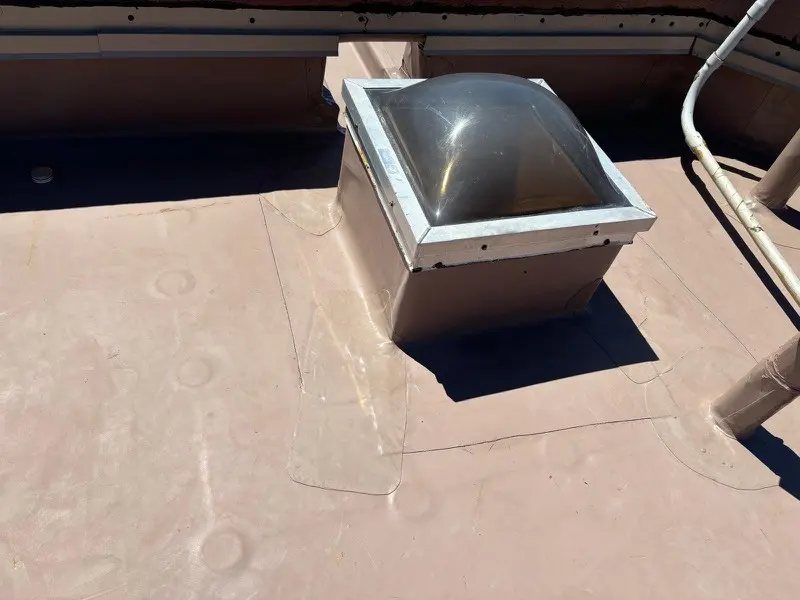
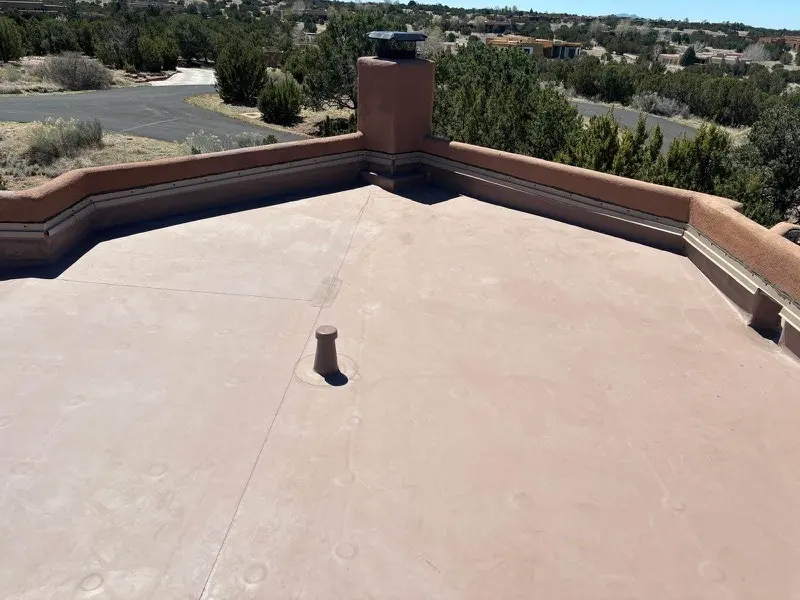
Thermoplastic Polyolefin (TPO) is a single-ply covering designed for flat structures. While initially built for commercial applications, it has become incredibly popular for residential homes throughout the state, particularly in Albuquerque and Santa Fe. It works exceptionally well to seal the Pueblo Revival style architecture that relies on low-slope designs.
Choosing the Right Type of Roof for Your Home
The easiest way to decide between TPO vs asphalt shingles is simply looking at the architectural structure of your house.
- Pitched Structures (Slanted): If you have a traditional gable or pitched design, you must use asphalt (or metal/tile). You cannot easily or aesthetically wrap a highly pitched residential structure in a white commercial single-ply covering.
- Flat Roofs (Low-Slope): If your home has a flat roof or a slope lower than 2:12, you cannot use asphalt shingles. Water will not shed fast enough, causing massive leaks. In this scenario, finding the right thermoplastic option is essential.
Energy-Efficient Roofing in the New Mexico Climate
New Mexico's high-altitude sun is relentless. Energy efficiency in Santa Fe is a massive factor when replacing a roof, as it directly impacts your summer cooling bills and combats the harsh climate.
The single-ply option takes the absolute win here. It is installed in a bright white or light gray color. It is highly reflective, bouncing intense UV rays back into the atmosphere rather than absorbing them into the attic. It offers superior energy efficiency compared to virtually any other option.
Standard tabs historically absorbed heat, turning attics into ovens. However, modern architectural versions feature "cool roof" technology—specialized reflective granules that mitigate heat absorption. While they are vastly improved, they still cannot match the sheer thermal reflection of a white single-ply covering.
Durability and Longevity: Which Roofing Material Lasts Longer?
How long will these materials survive the brutal freeze-thaw cycles of a New Mexico winter and the dry heat of a NM summer? The highest level of durability is required.
- Asphalt Lifespan: A high-quality architectural shingle will last between 20 to 25 years. However, in extreme UV microclimates, the asphalt can dry out over time, causing the shingles to curl or lose their protective granules.
- Single-Ply Lifespan: A heat-welded covering easily lasts 25 to 30 years and comes with an excellent warranty if installed properly. Because the seams are physically melted together using robotic hot-air welders, it creates a monolithic, 100% waterproof sheet that is highly resistant to tearing, puncturing, and UV degradation.
Roof Replacement Cost: TPO vs Shingle Pricing in Santa Fe
When looking at traditional roofing bids, asphalt shingles will almost always be cheaper.
The average cost to install modern asphalt shingles in Santa Fe ranges from $4.00 to $7.00 per square foot. The material is relatively cheap to manufacture, and installation is fast.
The single-ply option, on the other hand, averages between $7.00 to $11.00 per square foot. The covering itself is highly engineered, and the installation process requires strict precision. If a seam is welded at the wrong temperature, the entire surface could fail. Therefore, you are paying a premium for a highly skilled, specialized commercial crew to execute the residential project.
Other Roofing Materials Worth Considering
TPO and asphalt dominate the Santa Fe market, but they aren't the only options. Here's how other materials compare under our unique climate conditions.
Metal Roofing
Standing seam metal roofs offer exceptional longevity (40–70+ years) and a Class 4 impact rating that resists hail damage. They're fire-resistant, require minimal maintenance, and reflect heat effectively. The trade-off is cost — standing seam panels are the most expensive residential roofing option to install.
Tile and Slate
Concrete tile, clay tile, and natural slate complement Santa Fe's Pueblo architecture beautifully and last 50+ years. They handle solar radiation well, but they're extremely heavy — your home's framing must be verified by a structural engineer before installation.
Roof Coatings
Elastomeric or silicone roof coatings can extend the life of an existing flat roof by 10–15 years. They're a practical, cost-effective option for homeowners who aren't ready for a full replacement but need to stop leaks and improve energy efficiency.
How New Mexico's Climate Affects Your Roofing Decision
Roofing in the Southwest is fundamentally different from the rest of the country. Our dry desert climate presents three distinct threats that every material must withstand:
- Intense UV at altitude: At 7,000+ feet, Santa Fe receives some of the most intense solar radiation in the nation. Reflective materials like TPO and metal significantly reduce cooling costs by bouncing UV rays rather than absorbing them into your attic.
- Monsoon winds and hail: Summer storms bring high winds and hail that test every roofing system. Materials with Class 4 impact resistance provide critical protection.
- 40°+ daily temperature swings: Rapid expansion and contraction cycles crack rigid materials over time. TPO's flexibility gives it a clear advantage on flat and low-slope roofs.
These conditions directly impact your energy bills year-round. The material you choose is the single most impactful decision for your home's long-term comfort and protection.
The Verdict: Choosing the Best Roofing for Albuquerque and Santa Fe Homes
Ultimately, your home's architecture makes the decision for you:
Choose Asphalt Shingles if: Your home has a traditional pitched roof, you have a strict upfront budget, and you want a classic, textured aesthetic.
Choose TPO if: You have a flat or Pueblo-style low-slope roof, you want massive long-term energy savings on your energy bills, and you want a waterproof membrane that requires virtually zero maintenance.
Whichever material you choose, verify that it meets local building codes — your contractor should handle this as part of the permit process.
Schedule a Free Roof Inspection
Not sure which material is right for your home? Northway Roofing has been helping Santa Fe and Albuquerque homeowners make this decision since 1955. Contact us today for a free inspection and consultation — we'll assess your roof's structure, recommend the best material for your architecture and budget, and handle every permit.